Baltimore, Maryland, is famous for its connection to the blue crab, a species that defines the state’s seafood culture and economy. The Maryland blue crab, scientifically known as Callinectes sapidus, has been a part of the Chesapeake Bay ecosystem for centuries. Its influence extends far beyond cuisine—it shapes local traditions, industries, and tourism. Understanding the history of the Maryland blue crab in Baltimore offers insight into how this crustacean became a regional symbol of pride and prosperity crab in Baltimore.
The Origin of the Maryland Blue Crab
The blue crab is native to the western Atlantic Ocean and the Gulf of Mexico. Its population thrives in the Chesapeake Bay, which stretches across Maryland and Virginia. The name Callinectes sapidus means “beautiful savory swimmer” in Latin and Greek, describing both its appearance and flavor.
Historical records show that Native American tribes living around the Chesapeake Bay relied on blue crabs as a food source long before European settlement. Archaeological evidence indicates that crabs were harvested using simple traps and nets. The crabs provided a steady source of protein, especially during the warmer months when they were most abundant.
European settlers arriving in the 1600s quickly adopted crab harvesting. Early colonists discovered the abundance of blue crabs in the bay’s estuaries and began incorporating them into their diets. However, crab consumption remained mostly local until the 19th century, when transportation and preservation methods improved.
The Growth of the Crab Industry in Baltimore
During the 1800s, Baltimore emerged as a major port city with strong shipping and trade links. This period marked the beginning of large-scale crab processing and distribution. The invention of the canning process in the mid-19th century allowed crab meat to be preserved and shipped across the country. Baltimore became a key center for seafood packaging, leading to economic growth in the region.
By the late 1800s, crab picking houses began to appear along the city’s waterfront. Workers, often women and children, picked crab meat by hand to prepare it for canning. These establishments played a crucial role in supporting local employment and boosting Maryland’s seafood exports.
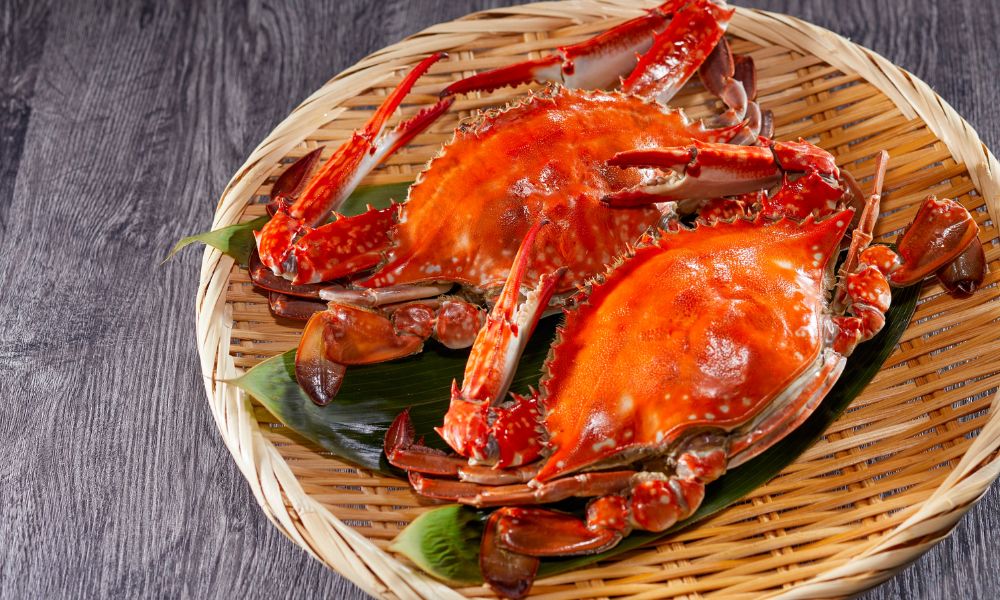
Steamed crabs seasoned with Old Bay became a signature dish in Baltimore during the 20th century. Old Bay seasoning, created in 1939 by Gustav Brunn, combined celery salt, paprika, and other spices that enhanced the crab’s natural sweetness. The seasoning became inseparable from Maryland crab cuisine and remains a staple in Baltimore restaurants today.
Cultural Significance of the Blue Crab
The Maryland blue crab is more than a seafood delicacy; it represents the state’s maritime heritage. Crab feasts, festivals, and family gatherings centered around steamed crabs have become an integral part of local culture. Baltimore’s annual events, such as the Maryland Seafood Festival and the Chesapeake Crab and Beer Festival, attract thousands of visitors who come to experience this tradition firsthand.
Crabbing is also a recreational activity in Maryland. Residents and visitors use crab pots, trotlines, and dip nets along the bay’s shoreline to catch their own crabs. The state has strict regulations to protect crab populations, including size limits, seasonal restrictions, and daily catch limits. These conservation measures ensure sustainability for future generations.
The blue crab’s image is used widely in local branding. It appears on license plates, souvenirs, and restaurant logos throughout Baltimore. The crustacean has become a symbol of state pride and economic identity.
Environmental Challenges and Conservation Efforts
The Chesapeake Bay once produced nearly one-third of the nation’s blue crabs. However, overharvesting, pollution, and habitat loss led to significant population declines in the late 20th century. Water pollution from agricultural runoff and urban waste affected the bay’s oxygen levels, making it difficult for crabs to survive.
In response, Maryland and Virginia introduced conservation programs. The Chesapeake Bay Program, established in 1983, brought together federal and state agencies to monitor water quality and restore habitats. Regulations on crab harvesting were tightened, including restrictions on female crab catches during breeding seasons.
Restoration projects, such as the creation of underwater grass beds and oyster reef restoration, have helped improve the bay’s ecological balance. In recent years, these efforts have shown positive results, with crab populations stabilizing and increasing during favorable environmental conditions.
The Blue Crab in Modern Baltimore
Today, Baltimore’s seafood industry continues to thrive, supported by sustainable practices and tourism. Restaurants across the city serve a wide variety of crab dishes, including steamed crabs, crab cakes, soups, and sandwiches. The Maryland-style crab cake, made with lump crab meat and minimal fillers, has become internationally recognized.
Local seafood markets, such as Lexington Market and Faidley’s Seafood, remain popular destinations for residents and tourists seeking authentic Maryland crab. The city’s waterfront dining scene highlights the connection between the Chesapeake Bay and Baltimore’s culinary identity.
The blue crab’s role extends beyond food. It supports thousands of jobs in harvesting, processing, and hospitality industries. Maryland’s Department of Natural Resources continues to conduct annual crab surveys to ensure healthy stock levels. This balance between industry and conservation keeps the state’s crab heritage strong.
FAQ
Q1: What makes the Maryland blue crab different from other crabs?
The Maryland blue crab has a distinct sweet and tender flavor due to the Chesapeake Bay’s brackish water, which provides an ideal environment for its growth.
Q2: When is the best season for blue crabs in Baltimore?
The best time to enjoy Maryland blue crabs is from April through October, with peak season occurring between June and September.
Q3: How does Maryland protect its blue crab population?
Maryland enforces harvesting limits, seasonal restrictions, and female crab protections to maintain sustainable populations.
Q4: Where can visitors experience authentic crab dishes in Baltimore?
Top destinations include Phillips Seafood, LP Steamers, Bo Brooks, and Faidley’s Seafood, all known for serving traditional Maryland crab cuisine.
Q5: What is Old Bay seasoning, and why is it used on crabs?
Old Bay seasoning, created in 1939, is a blend of spices that enhances the natural flavor of steamed crabs and is now an iconic part of Maryland seafood cooking.
Conclusion
The history of the Maryland blue crab in Baltimore reflects the city’s cultural, economic, and environmental evolution. From early Native American fishing traditions to modern seafood dining, the blue crab has shaped Baltimore’s identity for centuries. Conservation programs and responsible harvesting practices have ensured that this vital species continues to thrive in the Chesapeake Bay. Today, the blue crab stands as a powerful symbol of Maryland’s heritage, connecting its people, environment, and traditions through one shared legacy.